Struggling to Afford Your Prescriptions? These Canadian Assistance Programs May Help
Prescription drug costs in Canada rank among the highest in the developed world. For patients without employer-sponsored benefits, those who fall into coverage gaps between provincial programs, or those managing expensive specialty medications for chronic illnesses, the monthly cost of staying healthy can feel insurmountable. What many Canadians do not realise is that a substantial — and largely underutilised — network of assistance programs exists to help bridge exactly these gaps.
This guide is intended to serve as a practical resource for patients, caregivers, and families navigating the landscape of prescription financial assistance in Canada.
Understanding Why Coverage Gaps Exist
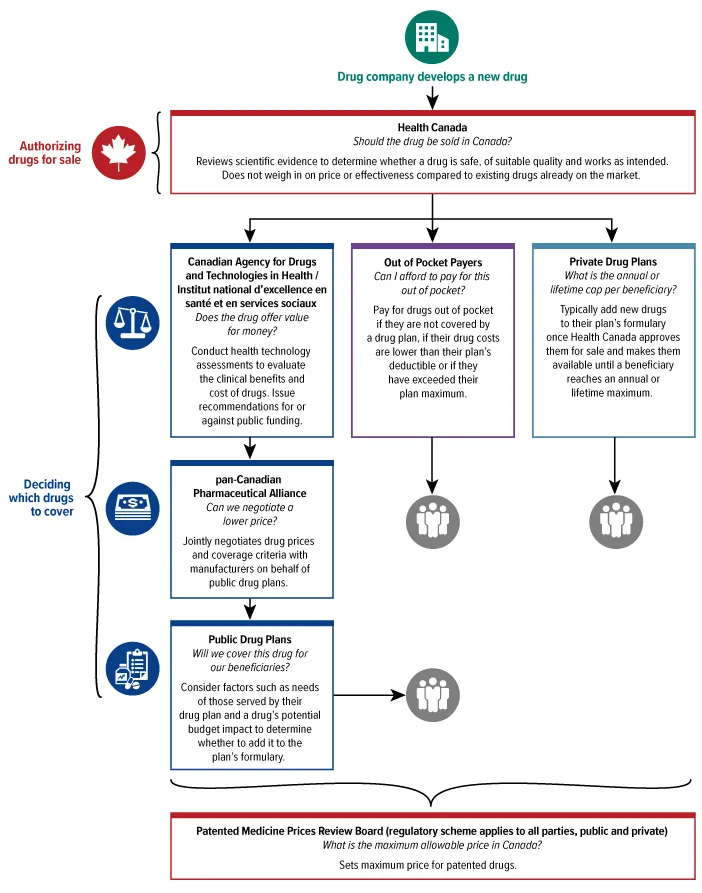
Canada does not have a universal national pharmacare program in the comprehensive sense. Instead, drug coverage is a patchwork of provincial and territorial public plans, employer-based private insurance, and federal programs for specific populations such as First Nations, Inuit, veterans, and federal employees.
Public provincial drug benefit programs — such as Ontario's Ontario Drug Benefit (ODB) program, British Columbia's PharmaCare, Alberta's Seniors' Drug Benefit, and Quebec's Régime général d'assurance médicaments — each have distinct eligibility criteria, formularies, and co-payment structures. A medication covered in one province may not be listed in another. A patient who earns slightly too much to qualify for income-based subsidies but cannot afford workplace coverage faces what policy analysts often call the "working poor" gap.
For those managing conditions such as multiple sclerosis, rheumatoid arthritis, Type 2 diabetes, or rare diseases, specialty drug costs can reach tens of thousands of dollars annually — well beyond the reach of most household budgets.
Pharmaceutical Manufacturer Patient Assistance Programs
Many large pharmaceutical companies operating in Canada offer Patient Assistance Programs (PAPs) — sometimes called patient support programs — designed to provide their medications at reduced or no cost to eligible patients who cannot afford them.
These programs vary considerably in structure. Some offer free medication directly to patients who meet income thresholds. Others provide co-pay support for patients with private insurance who still face significant out-of-pocket expenses. Still others function as reimbursement navigation services, helping patients access coverage through provincial exceptional access mechanisms.
Notable examples include:
- Pfizer's Pfizer Assistance Program and Janssen's Compass program, which offer support for qualifying patients prescribed specific brand-name medications.
- Novartis Patient Assistance Foundation, which assists patients accessing certain oncology and specialty drugs.
- Boehringer Ingelheim's BIconnect program, offering financial and navigational support for patients on eligible therapies.
To find out whether a manufacturer offers assistance for a specific medication, patients can ask their prescribing physician, contact the drug manufacturer directly, or speak with a pharmacist. Many programs require a physician's signature and documentation of financial need or insurance status.
One important note: these programs are typically designed for brand-name drugs and are not applicable to generic equivalents. Patients should also be aware that eligibility criteria can change, so verifying current program details is essential.
Provincial Exceptional Access and Special Authorization Programs
Every province maintains a mechanism for patients to apply for coverage of medications not listed on the standard formulary. In Ontario, this is called the Exceptional Access Program (EAP). British Columbia uses a Special Authority process. Alberta operates a Special Authorization stream through the Alberta Blue Cross provincial plan.
These programs allow physicians to submit a clinical request on behalf of a patient, demonstrating that the medication in question is medically necessary and that alternatives have been inadequate or inappropriate. Approval is not guaranteed, but for patients on costly specialty therapies, it can represent access to coverage that would otherwise be unavailable.
Patients managing conditions such as inflammatory bowel disease, psoriasis, or rare metabolic disorders often benefit most from exploring this avenue. The process can be time-consuming, and it generally requires detailed documentation from a specialist, but the financial relief — if approved — can be transformative.
Non-Profit and Charitable Resources
Beyond government and industry programs, a number of Canadian non-profit organisations provide direct financial assistance or referral services for patients struggling with medication costs.
- The Bloom Foundation offers support to patients living with rare diseases who face barriers accessing treatment.
- Medications Canada (formerly known as the Canadian Organisation for Rare Disorders' advocacy arm) provides navigation support and connects patients with appropriate funding streams.
- Provincial cancer agencies, including Cancer Care Ontario and BC Cancer, often have social workers and financial counsellors who can identify funding for oncology-related medications.
- Community health centres in many provinces provide integrated pharmacy support and can connect uninsured or underinsured patients with local assistance resources.
For seniors specifically, organisations such as the Canadian Association of Retired Persons (CARP) periodically publish guidance on navigating drug costs and advocate for policy changes at the federal level.
Federal Programs for Specific Populations
Some Canadians qualify for federal drug coverage that is often overlooked:
- Non-Insured Health Benefits (NIHB): Administered by Indigenous Services Canada, this program covers a broad range of prescription medications for eligible First Nations and Inuit individuals, regardless of province of residence.
- Veterans Affairs Canada: Provides drug coverage for eligible veterans and their dependants through the Veteran's Independence Program and related benefits.
- Interim Federal Health Program (IFHP): Covers certain refugee claimants and protected persons, including prescription drug costs, while they await provincial health coverage eligibility.
Patients who believe they may qualify for these programs are encouraged to contact the relevant federal department or speak with a social worker.
Practical Steps to Take Right Now
Navigating this landscape can feel overwhelming, but a few concrete actions can open doors relatively quickly:
-
Speak with your pharmacist first. Pharmacists are often the most knowledgeable and accessible resource for identifying generic alternatives, manufacturer programs, and provincial coverage options. Do not underestimate this conversation.
-
Ask your physician about exceptional access. If your medication is not covered under your provincial formulary, ask your doctor whether a special access application is appropriate for your situation.
-
Search the manufacturer's website. Most major pharmaceutical companies list their patient support programs publicly. Search the drug name alongside "patient assistance Canada" for a starting point.
-
Contact your provincial health authority's drug benefit office. Representatives can confirm your eligibility for income-based subsidies, catastrophic drug coverage thresholds, and other programs you may not be aware of.
-
Reach out to a disease-specific patient organisation. Groups focused on conditions such as diabetes, Crohn's disease, lupus, or multiple sclerosis often maintain curated lists of financial resources for their communities.
You Should Not Have to Choose Between Treatment and Affordability
The financial burden of prescription medications is a real and serious issue for a significant portion of the Canadian population. But the absence of a single universal system does not mean an absence of help — it means that help is dispersed, and finding it requires persistence and the right information.
At Canadian Pharmacy Stock, we are committed to ensuring that patients across Canada have access not only to their medications, but to the knowledge they need to make those medications financially sustainable. If you are struggling with prescription costs, the resources outlined in this guide are a meaningful place to begin.