Your Province, Your Coverage: Decoding Prescription Drug Benefits Across Canada
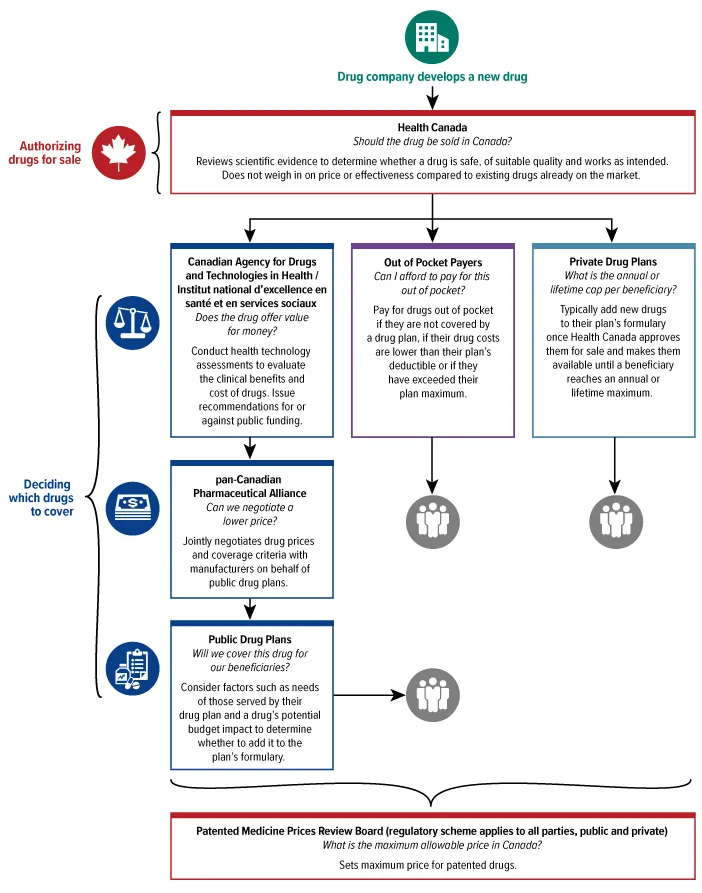
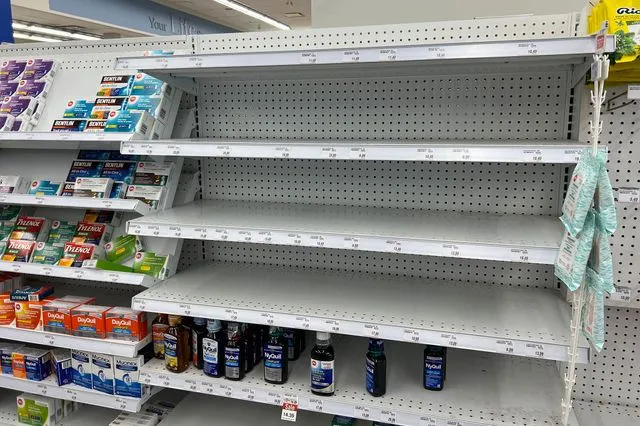
Photo: Canadian prescription drug insurance coverage provincial healthcare pharmacy, via www.canada.ca
Canada is celebrated for its universal healthcare system, yet one of the most persistent misconceptions among residents is that prescription drug coverage works the same way from coast to coast. In reality, medication benefits are administered provincially and territorially, meaning your postal code plays a decisive role in what you pay — and what you don't — when you pick up a prescription. At Canadian Pharmacy Stock, we believe every Canadian deserves clarity on this topic, so we have assembled this detailed breakdown to help you navigate the system in your home province.
Why Prescription Coverage Differs Across Provinces
Unlike physician and hospital services, which are governed by the Canada Health Act and must meet national standards, prescription drug coverage falls outside federal mandates. Each province and territory designs and funds its own public drug plan, resulting in a patchwork of formularies, eligibility thresholds, co-payment structures, and income-tested benefits. The result is a system where a patient in Manitoba might receive full coverage for a medication that a counterpart in New Brunswick must pay for entirely out of pocket.
Private employer-sponsored insurance adds another layer of complexity, covering roughly two-thirds of Canadians who are not eligible for public plans or who supplement their public benefits. Understanding how public and private coverage interact — and where the gaps exist — is essential for managing your pharmaceutical costs effectively.
Ontario: The OHIP+ and ODB Programmes
Ontario operates the Ontario Drug Benefit (ODB) programme, which covers eligible residents including seniors aged 65 and over, social assistance recipients, residents of long-term care facilities, and those enrolled in the Trillium Drug Programme. The Trillium programme is particularly valuable for Ontarians whose drug costs are high relative to their household income, offering a deductible model that caps annual out-of-pocket spending.
OHIP+ extended drug coverage to children and youth under 25, eliminating co-payments for this demographic entirely. Ontario's formulary is among the largest in the country, though coverage for newer biologic drugs and specialty medications can still require special authorisation. Residents are encouraged to check the Ontario Drug Benefit Formulary online or consult a pharmacist to verify whether a specific medication is listed.
British Columbia: Fair PharmaCare
British Columbia's Fair PharmaCare programme uses a net income-based model to determine annual deductibles and family maximums. Once a household meets its deductible, PharmaCare covers 70 per cent of eligible drug costs, rising to 100 per cent after the family maximum is reached. Lower-income families may qualify for reduced or waived deductibles.
BC also maintains a robust generic substitution policy, encouraging pharmacists to dispense lower-cost alternatives unless a physician specifies otherwise. For patients managing conditions such as diabetes or heart disease, BC's Special Authority process allows coverage for medications not on the standard formulary when medical necessity is demonstrated.
Alberta: Alberta Blue Cross and the Non-Group Coverage Plan
Alberta's public drug coverage is administered through Alberta Blue Cross. Seniors, low-income individuals, and those receiving certain government benefits are eligible for subsidised coverage. The Non-Group Coverage Plan offers an option for Albertans who do not have private insurance and do not qualify for other public plans, though premiums and co-payments apply.
Alberta's formulary is reviewed regularly, and the province has made strides in adding biosimilar medications as cost-effective alternatives to originator biologics. Patients switching from a biologic to a biosimilar should discuss the transition with their prescribing physician and pharmacist.
Quebec: The Mandatory Drug Insurance Plan
Quebec operates under a unique mandatory model: all residents must have prescription drug insurance, either through a private group plan or the Régie de l'assurance maladie du Québec (RAMQ). This ensures near-universal drug coverage, though premiums, deductibles, and co-insurance rates under RAMQ vary by income.
Quebec's formulary is extensive, and the province has been proactive in listing generic medications promptly after patent expiry. However, residents should be aware that coverage for certain newer therapies may require prior authorisation through RAMQ's exceptional medications process.
Atlantic Canada: Nova Scotia, New Brunswick, PEI, and Newfoundland
The four Atlantic provinces each maintain separate drug programmes with varying eligibility criteria. Nova Scotia's Pharmacare programme covers seniors and low-income residents, while the Family Pharmacare programme provides income-tested benefits for other residents. New Brunswick's Prescription Drug Programme similarly targets seniors and social assistance recipients, with a Catastrophic Drug Programme offering relief for high-cost medications.
Prince Edward Island offers the PEI Pharmacare Programmes for seniors, and Newfoundland and Labrador administers the Newfoundland and Labrador Prescription Drug Programme with income-based deductibles. Residents in all four provinces are advised to explore whether they qualify for multiple programmes simultaneously, as stacking benefits can significantly reduce costs.
Prairie Provinces: Manitoba and Saskatchewan
Manitoba's Pharmacare programme is income-based and open to all residents, making it one of the more inclusive models in the country. Once a household's annual drug costs reach a set percentage of net income, the programme covers the remainder. Saskatchewan's Saskatchewan Drug Plan covers a broad population, including seniors and social assistance recipients, with a formulary that emphasises cost-effective generic options.
Northern Territories: Yukon, Northwest Territories, and Nunavut
Residents of Canada's three territories face unique challenges due to geographic isolation and smaller populations. Each territory operates its own drug benefit programme, and coverage is generally more comprehensive than in southern provinces to offset the higher cost of living and limited access to healthcare services. Non-insured health benefits through Indigenous Services Canada also play a significant role in medication access for First Nations and Inuit residents across the territories.
Generic Medications: A Cost-Saving Tool Available Nationwide
Regardless of province, generic medications represent one of the most effective strategies for reducing out-of-pocket costs. Health Canada's rigorous approval process ensures that generic drugs meet the same standards of safety, efficacy, and quality as their brand-name counterparts. Most provincial formularies list generics at lower reimbursement rates, and many provinces have enacted generic pricing regulations that further reduce costs for consumers.
At Canadian Pharmacy Stock, our licensed pharmacists can advise you on whether a generic equivalent is available for your prescribed medication and whether substitution is appropriate for your clinical situation.
Navigating the Gaps: What to Do When Coverage Falls Short
Even with public and private insurance in place, some Canadians encounter coverage gaps for high-cost specialty drugs or newly approved therapies. In these situations, several options are worth exploring:
- Manufacturer patient assistance programmes: Many pharmaceutical companies offer compassionate access or co-pay assistance for eligible patients.
- Provincial exceptional access programmes: Most provinces have a mechanism to request coverage for non-formulary drugs when medical necessity is established.
- Catastrophic drug coverage programmes: Several provinces offer additional protection for residents whose drug costs exceed a defined threshold.
- Online pharmacy platforms: Accessing medications through a licensed Canadian online pharmacy can sometimes provide pricing advantages, particularly for medications not covered by insurance.
Understanding your province's specific programmes and eligibility criteria is the foundation of effective prescription cost management. We encourage all Canadian Pharmacy Stock customers to speak with one of our pharmacists for personalised guidance on maximising their coverage and minimising their out-of-pocket expenses.