When the Medicine Cabinet Runs Dry: How Canadian Patients Can Cope With Ongoing Drug Shortages
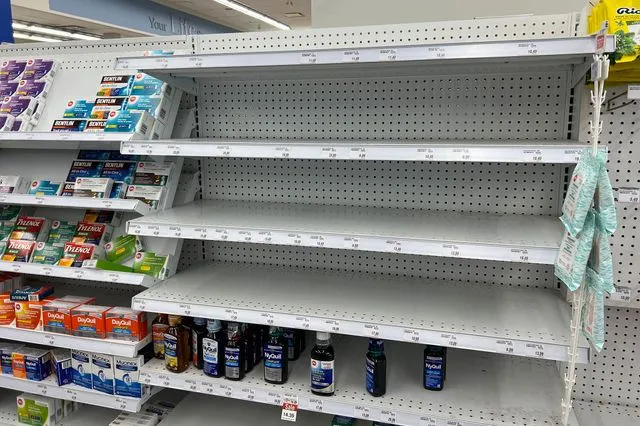
Photo: pharmacy medication shortage empty shelves Canadian drugstore prescription, via blogto-production2-baselayer-display.blogto.com
For millions of Canadians, the act of picking up a prescription has become increasingly fraught with uncertainty. A medication that was readily available last month may be backordered today, and a pharmacist's apologetic explanation — "we're waiting on supply" — has become an all-too-familiar phrase at dispensary counters from Victoria to St. John's. The drug shortage crisis affecting Canadian pharmacies is not a new phenomenon, but its scope and persistence have intensified in recent years, drawing concern from patients, clinicians, and policymakers alike.
At Canadian Pharmacy Stock, we are committed to keeping our customers informed and supported during these challenging periods. This article examines why shortages occur, which medications are most frequently affected, and what practical steps patients can take to protect their health when their preferred drugs are unavailable.
The Scale of the Problem
Health Canada's Drug Shortages Database, which manufacturers are required to update in near real-time, routinely lists several hundred medications as being in shortage at any given moment. These range from critical oncology drugs and injectable antibiotics to commonplace medications for hypertension, mental health conditions, and diabetes. During the COVID-19 pandemic, the vulnerabilities in Canada's pharmaceutical supply chain were exposed in stark relief, but the underlying structural issues predate the pandemic by years.
A 2023 report from the Canadian Pharmacists Association noted that front-line pharmacists were managing drug shortage communications with patients on a near-daily basis, spending significant time sourcing alternatives and counselling affected individuals — time that cuts into patient care. The human cost is not abstract: patients managing serious conditions such as epilepsy, HIV, or cancer cannot simply wait for supply to normalise.
Why Do Shortages Happen? Understanding the Supply Chain
The causes of drug shortages are multifactorial and deeply interconnected. Several key drivers are worth understanding:
Global Manufacturing Concentration
A significant proportion of the active pharmaceutical ingredients (APIs) used in Canadian medications are manufactured in a small number of countries, particularly India and China. When production disruptions occur at major facilities — whether due to regulatory shutdowns, natural disasters, or quality control failures — the ripple effects are felt across global markets simultaneously. Canada, with its relatively modest purchasing power compared to the United States or the European Union, is often at a disadvantage when competing for limited supplies.
Generic Drug Pricing Pressures
Canada's generic drug pricing policies, while beneficial for consumers and provincial drug plans, have created thin profit margins for generic manufacturers. When the economics of producing a particular generic no longer make business sense, manufacturers may discontinue production or reduce output, triggering shortages. The Canadian Generic Pharmaceutical Association has repeatedly flagged this dynamic as a systemic risk to supply reliability.
Regulatory and Logistical Complexity
Even when alternative supply sources exist, importing medications not currently approved by Health Canada requires navigating a regulatory process that can take weeks. While Health Canada has mechanisms to expedite access to foreign-sourced drugs during shortages, the timelines involved can leave patients without medication in the interim.
Demand Surges and Stockpiling
Unexpected spikes in demand — such as the dramatic increase in children's fever and pain relievers during the 2022 respiratory illness season — can overwhelm supply chains that are calibrated for baseline demand. Panic buying and stockpiling by both consumers and institutions can accelerate shortages that might otherwise resolve quickly.
Which Medications Are Most Vulnerable?
While no drug category is entirely immune, certain medication classes have shown particular vulnerability to supply disruptions in Canada:
- Antibiotics, particularly amoxicillin, azithromycin, and certain injectables
- ADHD medications, including amphetamine salts and methylphenidate formulations
- Oncology drugs, where shortages can directly compromise treatment protocols
- Hormone therapies and certain contraceptives
- Cardiovascular medications, including specific beta-blockers and ACE inhibitors
- Paediatric formulations of common medications
Patients in these categories should be particularly proactive in monitoring their supply and communicating with their healthcare providers.
Practical Strategies for Patients Navigating Shortages
Facing a drug shortage is stressful, but there are concrete steps Canadians can take to protect their continuity of care.
Communicate Early With Your Pharmacist
Your pharmacist is your most immediate and knowledgeable ally during a shortage. Contact your pharmacy as soon as you become aware of a potential supply issue — do not wait until your medication has run out. Experienced pharmacists can often source medications from alternative suppliers, contact the manufacturer directly, or identify equivalent therapeutic alternatives in consultation with your prescriber.
At Canadian Pharmacy Stock, our pharmacy team actively monitors shortage alerts and proactively reaches out to affected patients when we identify supply concerns with commonly dispensed medications.
Ask About Therapeutic Alternatives
In many cases, a different medication within the same drug class can provide equivalent clinical benefit. Your physician and pharmacist can work together to identify a suitable substitute. While switching medications always warrants careful monitoring, therapeutic alternatives are a well-established and safe approach to managing shortages for many conditions.
Do Not Abruptly Discontinue Medication
For certain drug classes — antidepressants, anticonvulsants, corticosteroids, and blood pressure medications among them — stopping abruptly can cause serious, sometimes dangerous withdrawal or rebound effects. If you are concerned about running out, contact your prescriber immediately rather than rationing doses on your own initiative.
Consider Splitting or Adjusting Formulations
In some shortage situations, a higher-dose tablet of the same medication may be available and can be split to achieve the required dose, or a different formulation (liquid versus tablet, for example) may be obtainable. These adjustments should always be made under pharmacist or physician guidance.
Use Health Canada's Drug Shortages Database
Health Canada maintains a publicly accessible online database where patients and caregivers can check the current shortage status of specific medications. Familiarising yourself with this resource allows you to stay ahead of potential disruptions before they affect you.
Explore Licensed Online Pharmacy Options
Licensed Canadian online pharmacies can sometimes access medications through different distribution channels than a local brick-and-mortar pharmacy. At Canadian Pharmacy Stock, we work with a network of accredited suppliers and can often assist patients who have been unable to obtain their medications locally. All medications dispensed through our platform are Health Canada-approved and verified for quality and authenticity.
What Is Being Done at the Policy Level?
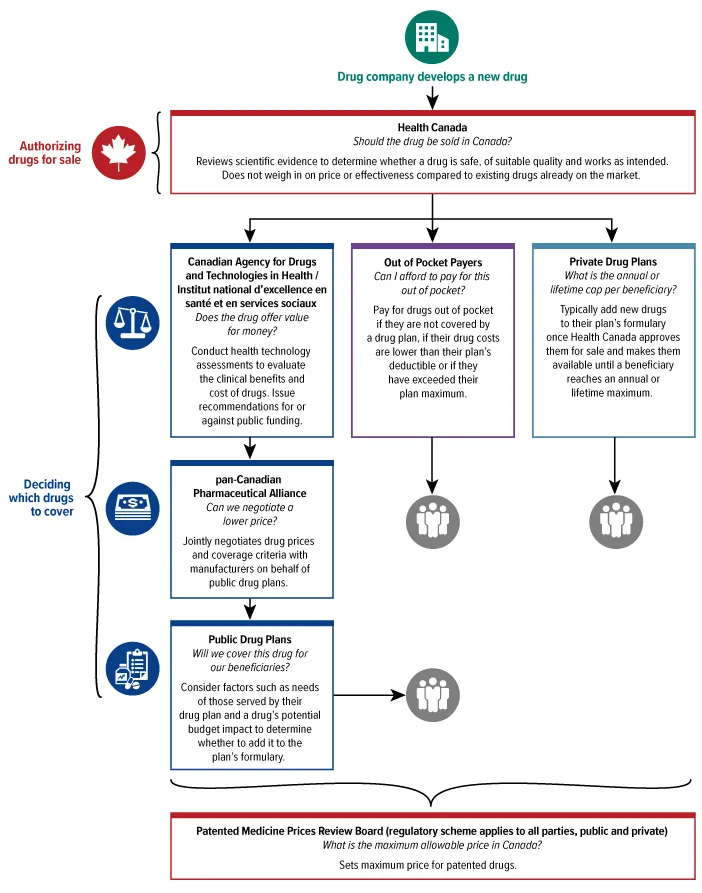
The federal government and provincial health authorities have acknowledged the severity of Canada's drug shortage problem and are taking incremental steps to address it. Health Canada has proposed new mandatory shortage reporting requirements and is exploring strategic stockpiling of critical medications. The pan-Canadian Pharmaceutical Alliance has also been examining bulk purchasing arrangements that could strengthen Canada's negotiating position with manufacturers.
Advocacy groups, including the Best Medicines Coalition, continue to push for a national pharmacare framework that would give Canada greater collective purchasing power and supply chain resilience. While these policy conversations are encouraging, meaningful structural change will take time — and in the interim, patients must be equipped to manage the realities of the current system.
Staying Informed and Staying Safe
The prescription drug shortage crisis is a systemic challenge that no single patient, pharmacist, or pharmacy can resolve in isolation. However, by staying informed, communicating proactively with your healthcare team, and utilising available resources — including trusted platforms like Canadian Pharmacy Stock — you can significantly reduce the risk that a supply disruption will compromise your health.
We encourage all our customers to reach out to our pharmacy team with any concerns about medication availability. Our pharmacists are available to provide guidance, explore alternatives, and help you navigate the complexities of Canada's pharmaceutical landscape with confidence and care.