Crossing Lines: The Legal and Safety Realities of Importing Medications Into Canada
The internet has made it easier than ever to compare prices across borders, and for Canadians managing ongoing prescription costs, the temptation to look abroad is understandable. A quick search can reveal medications priced dramatically lower in countries such as India, the United States, or parts of Europe. But before placing an order with an overseas pharmacy, it is worth understanding precisely what Canadian law says, what customs officials can do, and what risks accompany medications that have never been reviewed by Health Canada.
The Regulatory Framework: What Health Canada Actually Permits
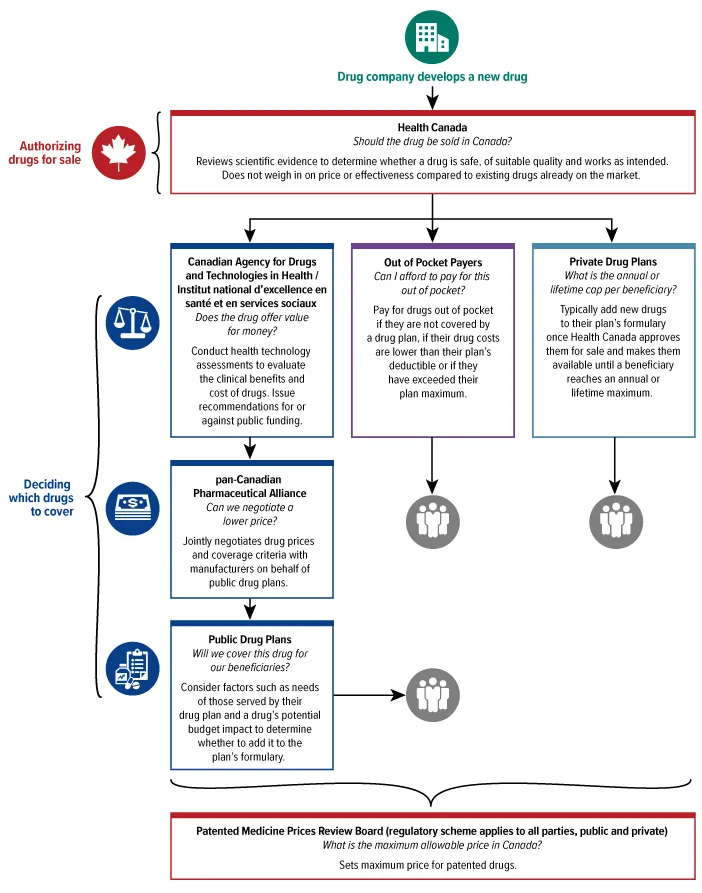
Canada's Food and Drugs Act governs the importation of pharmaceutical products, and the rules are stricter than many Canadians assume. Under current regulations, importing prescription medications from foreign sources for personal use exists in a legal grey area rather than a clearly defined permitted zone.
Health Canada's official position is that it does not encourage the personal importation of prescription drugs from other countries. However, the agency has historically exercised enforcement discretion in cases where individuals import a small, clearly personal-use quantity—generally understood as up to a 90-day supply—for a medication they are already prescribed in Canada. This discretion is not a right or an entitlement; it is a matter of resource prioritisation and is subject to change.
Critically, this tolerance does not extend to controlled substances. Opioids, benzodiazepines, stimulants, and other drugs listed under Canada's Controlled Drugs and Substances Act cannot be legally imported by individuals under any personal-use exception. Attempting to bring these medications across the border—whether physically or through the mail—can result in seizure and potential criminal liability.
The Canada Border Services Agency and What Happens at Customs
The Canada Border Services Agency (CBSA) is responsible for screening incoming parcels, including international mail and courier shipments. Officers have the authority to open and inspect packages and to seize items that appear to violate Canadian law.
When a package containing medications is flagged, the CBSA may:
- Seize the shipment and notify the recipient
- Refer the matter to Health Canada for further assessment
- In more serious cases, initiate legal proceedings
For most individuals importing a small quantity of a non-controlled prescription drug they have been prescribed, the practical outcome is often a seized package and a formal notice—a frustrating and costly outcome even without legal consequences. There is no guarantee of consistent treatment, and the risk of losing both the medication and the purchase price is real.
Patients who travel internationally and carry their own prescribed medications face a different but related set of considerations. Travellers are generally advised to carry a copy of their Canadian prescription and to keep medications in their original labelled containers. Quantities should correspond reasonably to the duration of travel.
Why Prices Differ So Dramatically Across Borders
Understanding why medications cost significantly less in certain countries helps explain both the appeal and the complications of international sourcing.
In many lower-income countries, governments negotiate directly with manufacturers to secure dramatically reduced prices as a condition of market access. These pricing arrangements are not transferable; the same manufacturer may produce an identical drug at different price points for different regulatory markets. Additionally, generic drug manufacturers in countries such as India operate under different patent frameworks, allowing them to produce versions of medications that remain under patent protection in Canada.
The price differential does not reflect a difference in the raw chemical compound—in many cases, the active ingredient is identical. What differs is the regulatory oversight applied to the manufacturing process, the supply chain, and the quality control standards enforced at each stage.
Health Canada's approval process requires that medications sold in Canada meet rigorous standards for manufacturing quality, labelling accuracy, and demonstrated bioequivalence. An overseas product—even one that appears identical—has not necessarily passed through this scrutiny.
The Safety Risks That Price Comparisons Don't Reveal
The most serious concern associated with unregulated international pharmacy sources is product quality. Studies conducted by the World Health Organization and various national regulatory agencies have consistently found that a significant proportion of medications purchased from unverified online pharmacies are substandard or outright counterfeit.
Substandard medications may contain:
- Incorrect dosages of the active ingredient, leading to under- or over-treatment
- Undisclosed fillers or contaminants that can cause adverse reactions
- Degraded compounds resulting from improper storage during international shipping
- No active ingredient at all in the case of outright counterfeits
For patients managing serious chronic conditions—diabetes, heart disease, epilepsy, or mental health disorders—receiving a substandard medication can have immediate and severe health consequences. Unlike a delayed shipment or a billing dispute, a counterfeit blood thinner or insulin product carries risks that are genuinely life-threatening.
How to Identify Legitimate Online Pharmacies
Not all online pharmacies operating outside Canada are fraudulent, and not all international options carry equal risk. However, distinguishing a legitimate operation from a dangerous one requires vigilance.
The Canadian International Pharmacy Association (CIPA) maintains a verified list of Canadian online pharmacies that meet provincial regulatory standards and are licensed to dispense medications to Canadian residents. Pharmacies displaying the CIPA seal have been audited and are required to dispense only Health Canada-approved medications with valid Canadian prescriptions.
Patients should treat the following as significant warning signs when evaluating any online pharmacy:
- No requirement for a valid prescription from a licensed Canadian physician
- No verifiable physical address or Canadian pharmacy licence number
- Prices that appear implausibly low even by international standards
- No licensed pharmacist available to answer questions
- Unsolicited email offers for prescription medications
The United States Food and Drug Administration and the Canadian government have both published resources to help consumers identify fraudulent online pharmacies, and these tools are worth consulting before making any international purchase.
Practical Alternatives for Cost-Conscious Canadian Patients
For Canadians who are considering international sources primarily because of cost, there are several domestic avenues worth exploring before assuming that overseas purchasing is the only option.
Provincial drug benefit programs, federal non-insured health benefits for eligible Indigenous Canadians, and various manufacturer patient assistance programs can substantially reduce out-of-pocket prescription costs. Generic substitution—available at most Canadian pharmacies and often encouraged under provincial formulary policies—can reduce the cost of many brand-name medications by a significant margin without any compromise in therapeutic equivalence.
At Canadian Pharmacy Stock, we are committed to helping Canadians access their medications safely and within the framework of Canadian pharmaceutical law. Our licensed pharmacists can assist patients in understanding their coverage options, identifying generic alternatives, and navigating the programs available to reduce prescription expenses.
The appeal of lower prices is entirely legitimate, and the financial pressure many Canadians face is real. But the safest and most reliable path to affordable medications remains one that operates within Canada's regulated pharmaceutical system—where every product has been reviewed, every pharmacist is accountable, and every patient is protected.