The Winter Cabinet: Building a Home Pharmacy Kit That Can Outlast a Canadian Cold Snap
Every Canadian knows the drill. The forecast mentions the word 'snowfall warning,' and within hours the grocery store shelves are bare of bread, milk, and — inevitably — cough syrup. But preparing for winter shouldn't start when the storm is twelve hours away. A thoughtfully assembled home pharmacy kit, put together in early autumn, can carry a household through ice storms, remote-cottage isolations, and the long stretch of flu season when getting to a pharmacy means navigating unplowed roads.
Start With the Basics That Actually Get Used
The most common mistake in winter preparedness is buying for the apocalypse rather than for reality. Most household winter illnesses are mundane: fevers, coughs, sore throats, and the occasional stomach bug that sweeps through the family after the holidays.
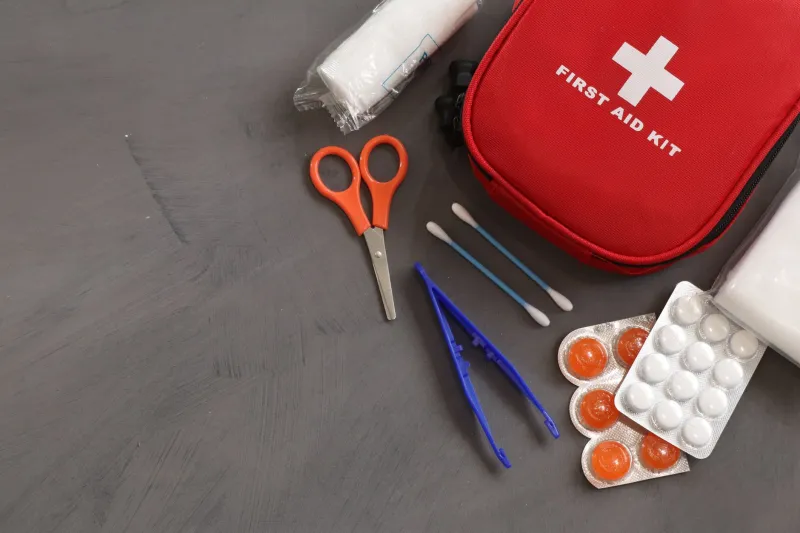
A practical Canadian winter kit should include:
- Fever and pain relief — acetaminophen and ibuprofen in adult and children's formulations, since a child's fever at 2 a.m. is the classic reason families scramble for supplies
- Cold and cough remedies — a decongestant, a cough suppressant, and throat lozenges; check labels for ingredients that interact with existing prescriptions
- Oral rehydration salts — vastly underappreciated, and essential for managing vomiting, diarrhea, or fever-related dehydration when a pharmacy trip isn't possible
- Saline nasal spray or rinses — dry indoor heating and cold air wreak havoc on nasal passages all season long
- A working thermometer — replace the one with a dead battery before you need it, not during
- Basic wound care — bandages, antiseptic, and tweezers, since winter brings its own injuries from ice falls to wood-stove burns
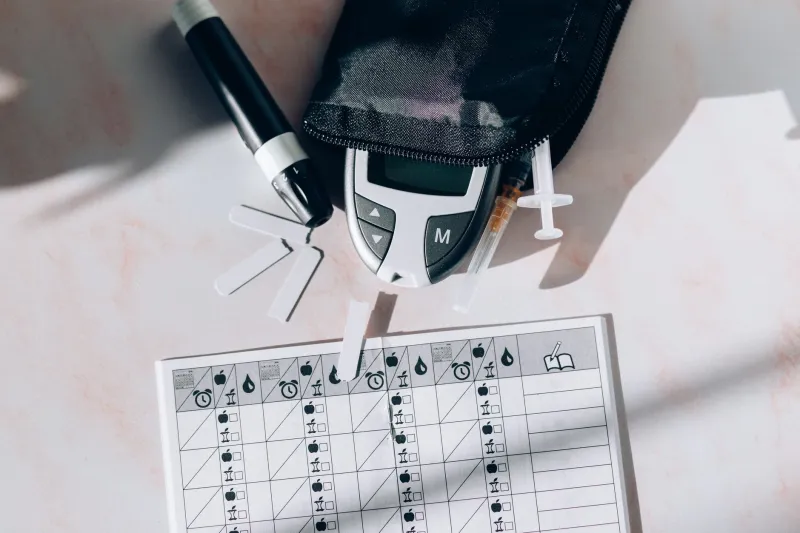
Households with young children, elderly members, or anyone managing a chronic condition should add items specific to their needs: electrolyte solutions suitable for infants, extra blood glucose test strips, or a properly calibrated blood pressure cuff.
The Prescription Refill Question Nobody Thinks About Until It's Too Late
Canadians living in rural and remote communities understand something urban residents often don't: a prescription that runs out on a statutory holiday weekend, or during a road closure, is a genuine emergency. Insulin, seizure medications, blood thinners, and thyroid hormones are not medications anyone should run short of in January.
Before winter sets in, ask your pharmacist whether you can fill an early refill or arrange a 90-day supply. Many pharmacies will co-ordinate multiple prescriptions to renew on the same date, simplifying both pickup and travel. For those heading to a cottage, a ski trip, or visiting family in another province, carrying a full supply plus a printed or digital copy of your prescriptions is a small step that prevents enormous problems if luggage is lost or plans change.
Urban residents have their own version of this problem: a snowstorm that shuts down transit can make a routine refill a three-hour ordeal. Stocking prescriptions a week or two ahead of schedule costs nothing and buys real peace of mind.
Expiry Dates: Rotate, Don't Hoard
A kit full of expired medications is money in the garbage. The fix is simple rotation.
Write the purchase date on boxes with a marker. Store everything in a cool, dry, dark place — not the bathroom, where humidity degrades tablets, and not the garage, where freeze-thaw cycles can ruin liquid medications. Keep the kit in a sealed bin out of reach of children, and do a quick inventory every autumn when you test the smoke alarms.
Most solid tablets remain effective past their printed date, but liquids, reconstituted antibiotics, eye drops, and anything containing insulin should be treated as strict deadlines. When you do clear out old supplies, don't toss them in the trash or flush them — return them to any Canadian pharmacy, which will dispose of them safely through take-back programs.
One Last Consideration: Distance Changes the Math
If the nearest pharmacy is a forty-minute drive — or, as in much of Northern Canada, a flight away — your kit should be proportionally deeper. Double the quantities, add spare inhalers and epinephrine auto-injectors, and keep a written list of every household member's medications and doses in case someone else has to fill in during an emergency.
Winter in Canada is coming regardless. The only question is whether your medicine cabinet will be ready when it arrives.