The Bathroom Cabinet Is the Worst Place for Your Pills: A Room-by-Room Storage Map for 20 Common Medications
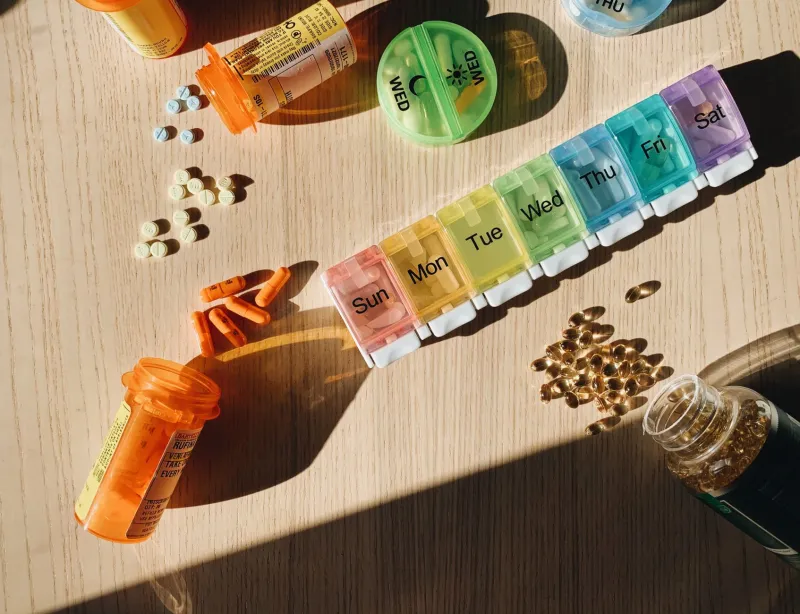
The bathroom medicine cabinet may be the most misnamed fixture in the Canadian home. Warm showers, steam, and fluctuating temperatures make it one of the least suitable places to keep medications — a fact that surprises nearly everyone who hears it.
Most medications are formulated to remain stable at roughly 15–25°C, in dry conditions, away from light. Canadian homes, with their forced-air heating in January and humid July afternoons, test those limits in ways the label rarely explains. Here is a practical map of where twenty common medications actually belong.
The Refrigerator (2–8°C, Not the Freezer)
- Insulin (in-use and backup vials): Unopened insulin belongs in the fridge; in-use pens can stay at room temperature for about 28 days. Never freeze it — frozen insulin is ruined, even after thawing.
- Reconstituted antibiotics (liquid amoxicillin and similar): Refrigerate after mixing; some formulations tolerate brief room-temperature storage, so check the label.
- Certain eye drops (preservative-free formulations): Refrigeration extends usability and makes drops more comfortable.
- Some biologics and injectables (e.g., certain arthritis therapies): Fridge storage is essential, with strict room-temperature windows for travel.
Winter warning: Keep refrigerated medications toward the back-middle of the shelf, not the door, and away from the cooling element. A fridge against an exterior wall in a Prairie February can run colder than you think.
A Cool, Dry Cupboard (Main Floor, Away From Windows)
- Tablet and capsule medications (statins, blood pressure pills, antidepressants): Any cupboard above room temperature and below 25°C works. Avoid the cupboard above the stove.
- Thyroid medications (levothyroxine): Sensitive to heat and light; keep in the original container, tightly closed.
- Oral contraceptives: Original packaging, dry cupboard, out of direct sun.
- Antihistamines and cold medications: Stable but degrade faster in heat; a hallway closet is ideal.
- Pain relievers (acetaminophen, ibuprofen): Stable at room temperature but keep containers sealed — humidity clumps tablets.
- Blood thinners (e.g., apixaban, warfarin): Dry, room-temperature storage; warfarin especially should stay in its original light-protective bottle.
- Antidepressants (SSRIs): Room temperature; some, like venlafaxine, are more heat-sensitive than others.
The Bedroom Nightstand (Cool, Stable, Out of Reach)
- Sleep aids and melatonin: Bedside convenience without bathroom humidity.
- Rescue medications for nighttime use (e.g., fast-acting heart or lung medications): Accessible, but not on a sunny windowsill.
Special Cases That Deserve Their Own Rules
- Inhalers: Store at room temperature; never in a parked car. A car in a Winnipeg January or a Toronto August can both disable the propellant and the medication itself.
- Nitroglycerin tablets: Original amber glass bottle, tightly sealed, no cotton plug, no other pills in the bottle. Replace per expiry — it degrades quickly.
- EpiPens and epinephrine auto-injectors: Room temperature, dark place. Do not refrigerate; do not leave in a coat pocket that goes into a warm car.
- Eardrops and antibiotic ointments: Dry cupboard; check individual labels for refrigeration after opening.
- Suppositories: Refrigerate in warm months — they are designed to melt at body temperature, and a July cottage without air conditioning counts.
- Liquid vitamins and fish oil: Fridge after opening to slow rancidity.
Cottage Country and Travel Considerations
If you keep a medication supply at the cottage, remember that unheated spaces in fall and spring can drop below freezing, and summer interiors can exceed 40°C. Neither is acceptable. Bring medications back and forth, or invest in an insulated pouch. For travel, carry medications in hand luggage with original labels — both for temperature control and for border and security purposes.
One Simple Audit
Once a season, walk through your home and check three things: Is anything stored in the bathroom? Has anything been in a car overnight? Is anything past its expiry date? Move the first two, and set aside the third for return to your pharmacy — proper disposal is its own important topic.
Storage is not a trivial footnote to treatment. A medication that has quietly degraded in a steamy cabinet may be delivering less than the dose on the label. Five minutes of reorganization is among the cheapest health interventions available in Canadian homes.