Spring Cleaning the Medicine Cabinet: Where Old Medications Should Really Go

When the spring-cleaning impulse strikes and a drawer of half-used cough syrups, expired antibiotics, and long-finished prescriptions surfaces, most Canadians face the same moment of hesitation: what exactly am I supposed to do with this?
The answer matters more than it might seem. Improper disposal puts two things at risk — the waterways that define this country, and the households where curious children or struggling adults might find what was thrown away.
Why Flushing Is Never the Answer
Old advice once suggested flushing certain medications to keep them out of children's hands. We now understand the trade-off poorly. Wastewater treatment systems are not designed to filter out pharmaceutical compounds, and trace levels of antibiotics, hormones, antidepressants, and painkillers have been detected in Canadian surface waters — including the Great Lakes, the St. Lawrence, and coastal waters off British Columbia.
The ecological effects are documented: intersex changes in fish exposed to hormonal residues, antibiotic resistance pressure in aquatic microbial communities, and behavioural changes in aquatic wildlife at concentrations measured in parts per billion. Individual households contribute small amounts, but millions of them add up.
Throwing medications in the garbage is only marginally better. Landfill leachate can carry pharmaceuticals into groundwater, and medications in the trash remain accessible to children, pets, and anyone foraging through waste.
The Take-Back System: How It Works
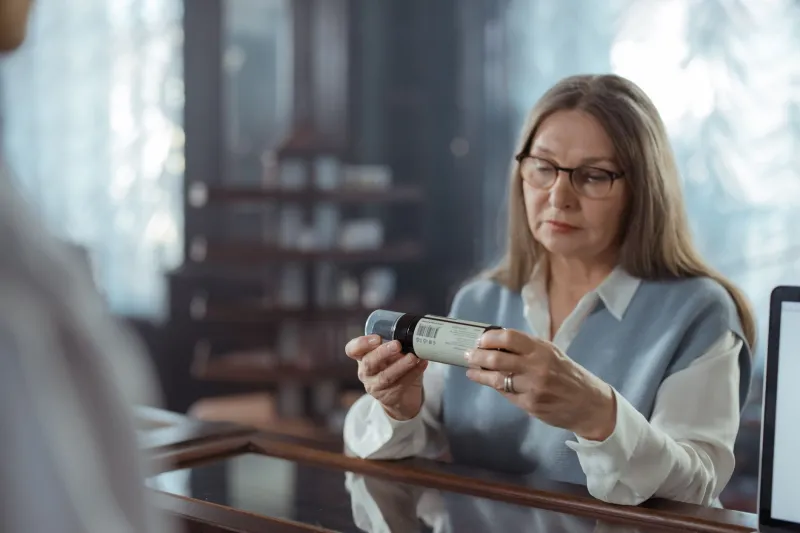
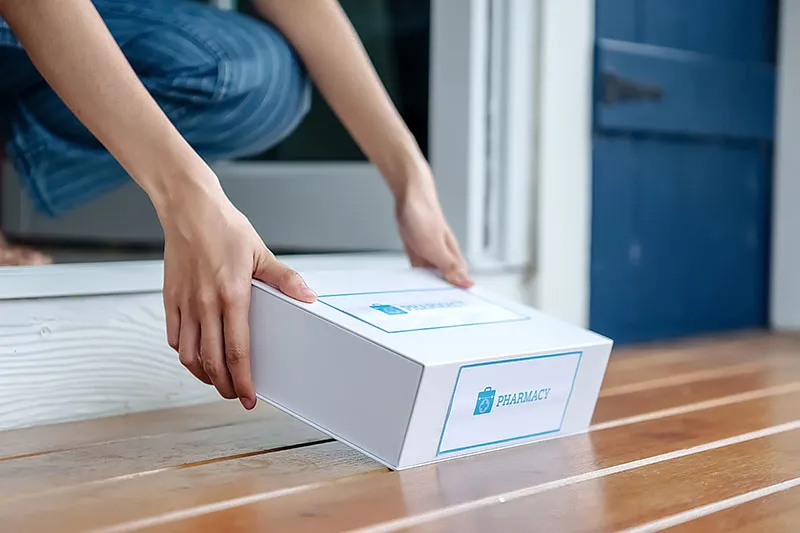
Canada has a well-established — if underadvertised — return system. Most retail pharmacies accept expired and unused medications at no charge, regardless of where you originally filled the prescription. Under Health Canada's guidance and industry stewardship programs, returned medications are collected, stored securely, and transported to licensed facilities for high-temperature incineration, the disposal method currently considered most environmentally sound.
A few practical points:
- You do not need to remove personal information, but you should black out or remove labels with your name for privacy before returning.
- Keep medications in their original containers where possible — it helps identify the contents.
- Sharps (needles, lancets) follow a separate stream. Many pharmacies accept them in approved sharps containers; check locally.
- Inhalers, patches, and liquid medications are all accepted; patches should be folded adhesive-to-adhesive before returning.
Province-by-Province: Where to Take Them
- British Columbia: The Medications Return Program, run through the Pharmaceutical Services Division, accepts medications at pharmacies province-wide, including many in rural communities.
- Alberta: Pharmacies participate in the Alberta Medication Return Program; a network of collection sites covers the province.
- Saskatchewan and Manitoba: Pharmacy take-back is standard; Saskatchewan's program operates through the Saskatchewan Pharmaceutical Association network.
- Ontario: The Ontario Medications Return Program covers pharmacies and many grocery-store pharmacies; a site locator is available through healthsteward.ca.
- Quebec: Pharmacies accept returns under provincial regulations; some municipalities also run household hazardous waste collections that accept pharmaceuticals.
- New Brunswick, Nova Scotia, PEI, and Newfoundland and Labrador: Pharmacy take-back operates across the Maritimes; in rural areas, Public Health offices can direct residents to the nearest collection point.
- Territories: Pharmacy coverage is thinner — territorial health authorities and health centres accept returns where pharmacies are limited.
The Seasonal Reminder
Spring is the natural moment for this task, and it pairs well with other safety checks: test smoke alarms, replace furnace filters, audit the medicine cabinet. While you are there, check expiry dates, separate out anything no longer prescribed for you, and bag it for the next pharmacy trip.
Two populations make this more than housekeeping. First, children: medications are a leading cause of poisoning incidents in Canadian homes, and expired bottles in low cabinets are an avoidable hazard. Second, anyone in the household at risk of misuse — leftover opioids, in particular, should be returned promptly rather than kept "just in case."
A Small Habit With a Large Reach
Returning medications costs nothing, takes minutes, and closes the loop on a prescription responsibly. The alternative — a toilet flush or a garbage bag — externalizes the cost to lakes, rivers, and communities downstream.
The Canadian pharmacy counter dispenses medications; it can also retire them. This spring, let it do both.