Meltdown Risk: The Quiet Way a Canadian Summer Can Ruin Your Prescription
Most medication labels carry a quiet line that few Canadians read: 'Store at room temperature, 15–25°C.' In July, that instruction becomes a genuine challenge. Environment Canada regularly records temperatures above 30°C across southern Ontario, the Prairies, and the BC Interior — and inside a parked car in Toronto or Winnipeg, the mercury can climb past 50°C in under an hour. For many medications, that's not a stress test. It's a death sentence.
The Medications Most at Risk
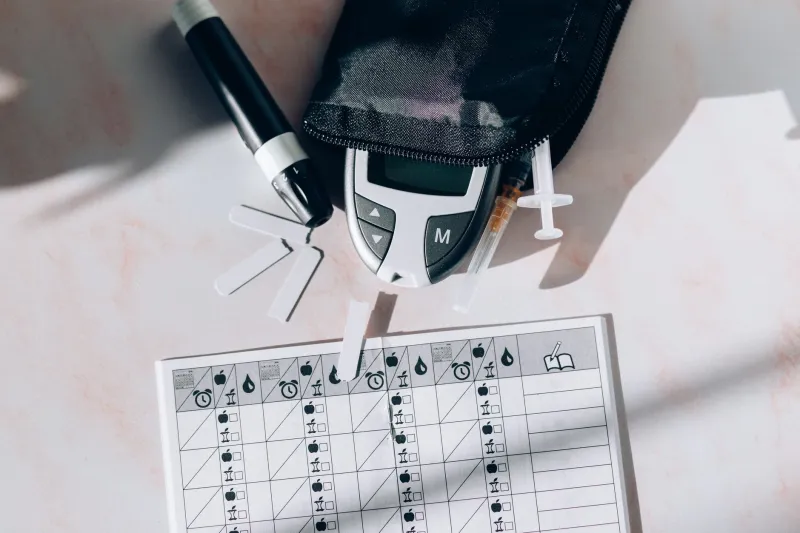
Insulin is the classic example. Unopened insulin requires refrigeration; in-use pens and vials tolerate room temperature only for a limited window — typically around 28 days, depending on the product. Left on a sunny windowsill or in a beach bag, insulin degrades, and degraded insulin doesn't just lose potency; it can deliver unpredictable doses. For someone managing diabetes, that's a direct safety issue.
Injectable biologics — treatments for rheumatoid arthritis, inflammatory bowel disease, and other chronic conditions — are often even more fragile, requiring strict refrigeration from pharmacy to injection. A single hot afternoon can render a costly dose worthless.
Inhalers face a different hazard: pressurized canisters can burst or malfunction when overheated, and the medication itself may lose effectiveness. Manufacturers generally advise keeping them below 30°C and never leaving them in vehicles.
Thyroid medications such as levothyroxine are more forgiving but not immune — sustained heat and humidity can accelerate degradation, which matters for patients who notice their levels drifting without any change in dose.
Cottage Country, Campsites, and Hot Cars
The Canadian summer lifestyle is built around exactly the situations that endanger medications. A cooler in the trunk of a car heading to Muskoka, a tent at a provincial park, a cottage without reliable refrigeration — each presents a storage problem worth solving in advance.
Practical steps:
- Never leave medications in a parked vehicle, even briefly, even in a cooler in the shade. Cars are ovens in summer.
- Use an insulated travel case with a gel pack for insulin and biologics — but never let the medication touch ice or frozen packs directly, as freezing destroys insulin just as effectively as heat.
- Keep everything in original packaging, which shields contents from light and helps you track how long a product has been out of the fridge.
- Plan cottage refrigeration before you go — confirm there's a working fridge, and bring a small thermometer if you're carrying high-value biologics.
- Carry medications in your hand luggage, not a suitcase baking in a car hold or aircraft cargo bay.
Recognizing Heat Damage
Some warning signs are visible: insulin that looks cloudy when it should be clear (or vice versa), discoloured tablets, capsules that have stuck together or softened, or any medication with an unusual odour. But damage is often invisible. If a medication spent an afternoon in a hot car, assume the worst even if it looks normal.
What to Do — and What Not to Do
If you suspect your prescription was compromised, do not simply continue taking it and hope for the best, particularly with insulin, anticoagulants, or seizure medications where dose reliability is critical. Equally, don't double up doses to compensate for suspected potency loss.
The correct move is to contact your pharmacist as soon as possible. Bring the product in its original packaging, describe exactly how it was stored and for how long, and ask whether a replacement is warranted. Many pharmacies will replace heat-damaged medication, and your pharmacist can also advise on interim safety measures — for a diabetic patient, for example, more frequent glucose monitoring until a fresh supply arrives.
Summer should be a season of lakes and long weekends, not lost prescriptions. A few minutes of planning — a proper travel case, a cooler packed with care, a habit of never leaving medications in the car — protects both your health and your investment in it.