When Two Prescriptions Collide: How Canadian Pharmacists Catch Dangerous Drug Combinations Before They Reach You
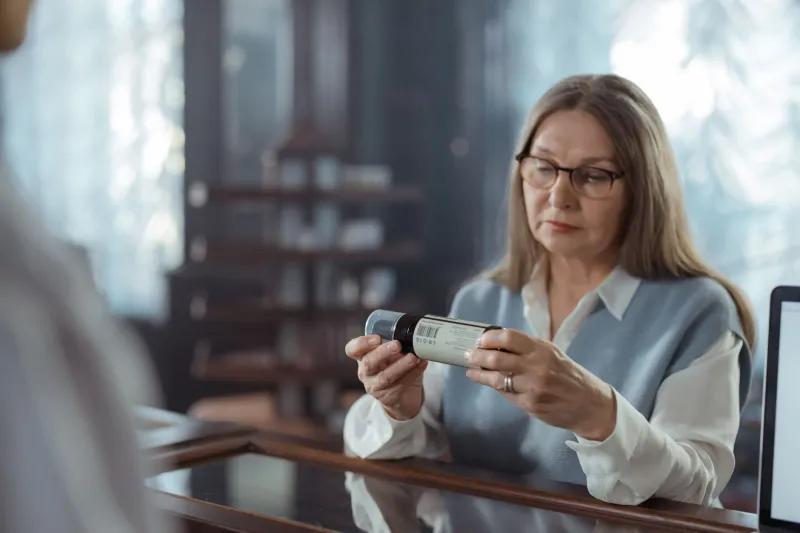
Most Canadians hand over a prescription slip and expect a straightforward transaction. What happens in the moments between submission and dispensing, however, is anything but routine. Behind the pharmacy counter, a detailed safety review is underway—one that depends not only on the pharmacist's training and software systems, but on the information you choose to share.
Drug-drug interactions are not rare edge cases found only in medical textbooks. They are a consistent and documented cause of preventable harm in Canada. When two or more substances interfere with one another in the body, the consequences can range from a mildly reduced therapeutic effect to a life-threatening medical emergency. Understanding what your pharmacist is looking for—and why your complete medication history matters—is essential for any Canadian who takes more than one drug at a time.
What Actually Happens When Drugs Interact
The human body processes medications through a complex series of chemical pathways. Many drugs are metabolised in the liver through a family of enzymes known as cytochrome P450. When two drugs compete for the same enzyme, one may be broken down too quickly—rendering it ineffective—or too slowly, allowing it to accumulate to toxic levels.
Interactions are not limited to this single mechanism. Some drugs alter the absorption of others in the gastrointestinal tract. Others affect how quickly a medication is eliminated by the kidneys. Certain combinations amplify the same physiological effect—two blood-thinning agents taken together, for instance, can dramatically increase bleeding risk. Still others work against each other entirely, undermining the intended purpose of one or both treatments.
Common examples that pharmacists in Canada encounter include:
- Warfarin and NSAIDs (such as ibuprofen): Both affect clotting mechanisms, and combining them sharply elevates the risk of internal bleeding.
- SSRIs and tramadol: This pairing can trigger serotonin syndrome, a potentially life-threatening condition characterised by agitation, rapid heart rate, and elevated body temperature.
- ACE inhibitors and potassium-sparing diuretics: Together, these can cause dangerously elevated potassium levels, putting the heart at risk.
- Statins and certain antibiotics or antifungals: Some combinations impair the metabolism of statins, raising the likelihood of muscle damage.
None of these interactions are theoretical. They are precisely the scenarios that Canadian pharmacists are trained and legally obligated to screen for every time a prescription is filled.
The Screening Process: More Than a Software Alert
Modern pharmacy dispensing systems in Canada include interaction-checking software that flags potential concerns automatically. When a pharmacist enters a new prescription into the system, it is cross-referenced against the patient's existing medication profile on file. If a conflict is detected, an alert appears.
However, this technology is only as reliable as the data it has access to. If a patient obtains prescriptions from multiple physicians, fills them at different pharmacies, or regularly uses over-the-counter products and natural health supplements, those items may not appear in any single pharmacy's records. The software cannot flag what it cannot see.
This is why the pharmacist's direct conversation with the patient remains indispensable. That seemingly routine question—"Are you taking any other medications?"—is not small talk. It is a targeted safety inquiry.
Why Patients Withhold Information (And Why It Matters)
Research consistently shows that patients frequently provide incomplete medication histories, often without any intent to deceive. Several patterns emerge:
Supplements and natural products are not considered "real" medications. Many Canadians do not think to mention St. John's Wort, fish oil, or herbal teas when asked about their drugs. Yet St. John's Wort, for example, is a potent inducer of cytochrome P450 enzymes and can significantly reduce the effectiveness of oral contraceptives, antiretrovirals, and immunosuppressants.
Over-the-counter products feel inconsequential. Antacids, antihistamines, and pain relievers purchased without a prescription are real drugs with real pharmacological effects. Calcium-containing antacids can impair the absorption of certain antibiotics and thyroid medications. Diphenhydramine, found in many sleep aids, can intensify the sedating effects of prescription anxiolytics or opioids.
Embarrassment or stigma around certain prescriptions. Patients may hesitate to disclose medications for mental health conditions, sexual health, or substance use treatment. This reluctance is understandable, but it creates genuine gaps in the safety review.
Prescriptions from multiple providers. A family physician, a specialist, a walk-in clinic, and a virtual care platform may each prescribe independently, without full visibility into one another's decisions. The pharmacist, if given complete information, can serve as the single point of reconciliation.
Building a Medication Inventory: A Practical Approach for Canadians
The most effective tool a Canadian patient can bring to any pharmacy or medical appointment is a current, comprehensive medication list. This document should include:
- All prescription medications, including the prescribing physician, dosage, and frequency
- Over-the-counter products used regularly or occasionally
- Vitamins, minerals, and dietary supplements
- Herbal or traditional remedies
- Any medications borrowed from a family member or obtained informally
Keeping this list updated after every prescription change and bringing it to every healthcare interaction—whether with a pharmacist, physician, or nurse practitioner—creates a safety net that no single provider's records can fully replicate.
Many Canadian provinces have moved toward centralised medication databases that allow authorised healthcare providers to access a patient's dispensing history across pharmacies. Ontario's Digital Health Drug Repository and British Columbia's PharmaNet are notable examples. These systems improve safety considerably, but they do not capture everything—particularly supplements, out-of-province dispensing, or medications obtained through other means.
Your Pharmacist as a Safety Partner
Pharmacists in Canada are regulated health professionals with extensive training in pharmacology and therapeutics. They are not simply dispensers of pills. Under provincial pharmacy legislation, they carry a professional and legal responsibility to conduct clinical reviews before releasing medications to patients.
When a pharmacist pauses to ask about your other medications, or contacts your physician before filling a new prescription, this is not inefficiency—it is the system working as intended. That brief conversation can prevent a hospital admission, a serious adverse event, or worse.
At Canadian Pharmacy Stock, we recognise that safe medication use is built on accurate information flowing freely between patients and their healthcare providers. Whether you fill your prescriptions in person or through a licensed mail-order pharmacy service, the principle remains the same: your pharmacist can only protect you with the information you give them.
Making the Conversation Easier
If you find it difficult to remember everything you take, consider photographing your medication bottles and supplement containers before your next pharmacy visit. Smartphone-based medication management applications can also help you maintain a running list. Your family physician's office may have a medication reconciliation form they can complete with you during an annual wellness visit.
The goal is not perfection—it is transparency. An incomplete list shared honestly is far more useful than a polished list that omits the supplements you take every morning or the pain reliever you use several times a week.
Drug interactions are, in large part, a preventable problem. The pharmacist asking about your other medications is doing their part. Answering fully and honestly is yours.